
 English




 Accessories

Fashion Insights
The Art of Mixing Metals in Jewelry
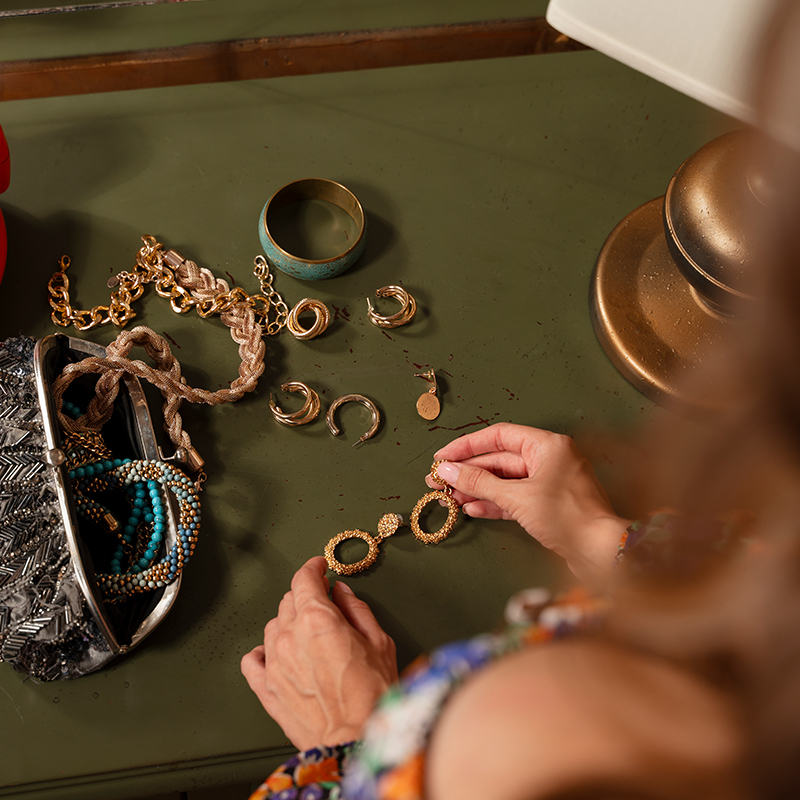
Jewelry has long been celebrated for its ability to transform an outfit and express personal style. Traditionally, mixing metals was considered a fashion faux pas, with gold, silver, and rose gold often worn separately to maintain a uniform look. Today, however, rules are meant to be broken. Mixing metals in jewelry has become a hallmark of modern styling, allowing individuals to create unique, versatile, and dynamic looks. When done thoughtfully, combining different metals can elevate even the simplest outfit, adding depth, interest, and personality.
1. Start With a Base Metal
The key to mastering mixed-metal jewelry is establishing a base. This acts as the anchor for your overall look. For instance, if you prefer gold, start with a gold necklace or a pair of gold earrings. Once the base is set, you can gradually introduce other metals, such as silver or rose gold, through rings, bracelets, or layered chains. This approach maintains cohesion while still embracing variety, making the ensemble feel intentional rather than chaotic.
2. Layering Is Essential
Layering is a natural technique for mixing metals. Stacking bracelets in different metals, wearing multiple rings, or layering necklaces of varying lengths can create visual intrigue. The contrast between metals adds dimension and sophistication, turning basic pieces into a curated, fashion-forward look. It’s important to vary the textures, and designs of your pieces. A delicate silver chain paired with a chunky gold bracelet, for example, adds balance and prevents the combination from looking cluttered.
3. Balance and Proportion Matter
When mixing metals, balance is crucial. Too much of one metal can overwhelm an outfit, while equal parts of each can appear coordinated yet effortless. Consider the overall proportions: if a statement gold necklace is your focus, balance it with smaller silver or rose gold rings or bangles. This ensures harmony across your accessories and keeps the attention on your outfit rather than the jewelry alone.
4. Experiment With Textures and Finishes
Mixing metals doesn’t only involve color; texture and finish play a significant role. Matte, polished, hammered, or brushed metals each bring a distinct visual appeal. Combining these finishes can elevate a look by introducing subtle contrasts that make the pieces feel modern and intentional. For example, pairing a brushed silver cuff with a polished gold ring creates dimension and prevents your mixed-metal look from appearing flat.
5. Coordinate With Outfit Colors
Jewelry should complement, not clash with, your clothing. When mixing metals, consider the colors in your outfit. Cool-toned clothing pairs beautifully with silver and white gold, while warm tones work well with yellow or rose gold. Mixing metals allows flexibility to coordinate with multiple shades within a single outfit. The key is to ensure that your jewelry enhances your overall look without overpowering it.
6. Use Accessories as Statement Pieces
Mixed-metal jewelry is an opportunity to create statement accessories. Bold rings, large bracelets, or layered necklaces can serve as conversation starters. By thoughtfully combining metals, you can turn a simple outfit into a striking ensemble. Even minimal outfits - like a monochrome dress or a neutral top and jeans - can feel elevated when adorned with mixed-metal accents, demonstrating that accessories are as powerful as clothing in defining personal style.
7. Don’t Be Afraid to Break “Rules”
The beauty of mixed-metal styling lies in creativity. There are no strict guidelines, only suggestions. Play with unexpected combinations, such as pairing rose gold and silver with subtle gold accents. Mixing metals allows for experimentation and personal expression, making it easier to create a look that feels authentic and modern. Confidence is the ultimate accessory - when you wear mixed metals boldly, it becomes a reflection of individuality.
8. Practical Tips for Everyday Wear
For daily styling, start with small, manageable pieces: thin bangles, delicate chains, or simple rings in different metals. Gradually add bolder pieces as you become comfortable with mixing metals. Additionally, consider functionality - make sure the jewelry complements your routine without getting in the way. Everyday mixed-metal styling is about subtle elegance, ensuring that your accessories enhance your look while remaining versatile for multiple outfits.
Mixing metals in jewelry is an art form that combines creativity, balance, and personal expression. By choosing a base metal, layering pieces thoughtfully, balancing proportions, experimenting with textures, and coordinating with outfits, anyone can master this modern styling technique. Mixed-metal accessories allow you to turn simple outfits into curated statements, showcasing personality, versatility, and fashion-forward thinking. With confidence and intention, the once-taboo practice of combining metals has transformed into a powerful way to elevate every look.
Trending Now
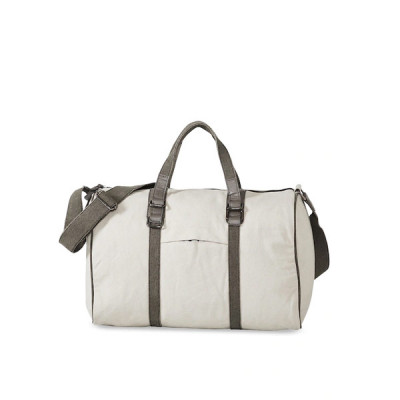
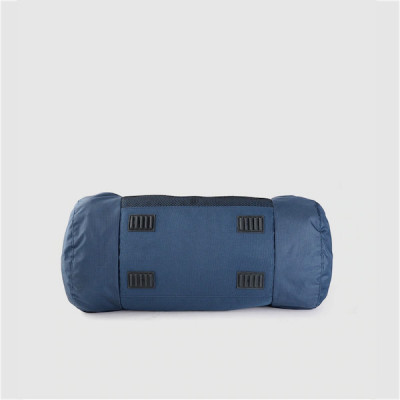
Unisex Navy Blue Duffel Bag
Rs.951.00
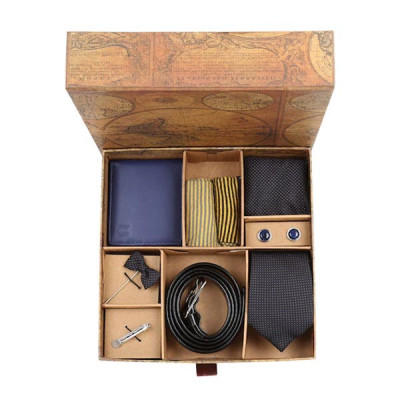
Men Blue Printed Accessory Gift Set
Rs.1,889.00
Men Blue Microfiber Accessory Gift Set
Rs.1,339.00